A balustrade gap is deemed a safety danger once it is broad enough to allow a 125mm sphere to pass through, which is around the size of a young child’s head.
That single measurement is the legal benchmark used across Victoria to prevent falls and entrapment on stairs and balconies. Many older Melbourne homes were built before this standard existed, which means their balustrades can look perfectly fine while still posing a real hazard. The risk isn’t limited to children either. Small pets can slip through the same gaps, wriggle free, or get stuck trying.
Every week, Ascend Stairs inspects balustrades across Victorian homes, and gap non-compliance is one of the most prevalent concerns we discover, often in residences that the owners thought were safe. This guide breaks down exactly what makes a balustrade gap unsafe, why it matters for both kids and pets, and what to do if your stairs don’t measure up.

What Counts as an Unsafe Balustrade Gap?
A balustrade gap becomes unsafe once it’s wide enough for a 125mm sphere to pass through it. This is known as the 125mm rule, and it’s the benchmark used in Victoria and across Australia for stair and balcony balustrades.
The rule exists for a simple reason. A gap that size is roughly the width of a young child’s head. If a child’s head can fit through, their whole body can often follow, or they can become trapped trying.
This standard applies to vertical balusters, horizontal rails, and even decorative panels. It doesn’t matter how the gap is created. If a 125mm sphere can pass through it, the balustrade doesn’t meet current safety requirements.
Many homeowners assume their balustrade is safe simply because it looks solid or was installed by a professional years ago. Compliance depends on the exact measurement, not appearance.
Why Balustrade Gaps Matter for Kids
Children are naturally curious, and staircases are one of the most tempting places to explore. Gaps in a balustrade create two real dangers for young kids.
The first is entrapment. A child’s head can pass through a gap, but their shoulders or torso can get stuck. This can lead to serious injury or even strangulation in extreme cases.
The second is falling. Wide gaps make it easier for a small child to slip through entirely and fall from a stair landing or balcony.
Are Horizontal Balustrades More Dangerous for Children?
Horizontal balustrades carry an added risk beyond gap size. The horizontal rails act like a ladder, giving children an obvious foothold to climb.

This means that even a technically compliant horizontal balustrade can encourage climbing behaviour that vertical designs do not. For homes with young children, vertical balusters are generally considered the safer choice.
Why Balustrade Gaps Matter for Pets Too
The 125mm rule was written with children in mind, but the same gaps pose a real risk to small pets. Cats and small dog breeds can fit through surprisingly narrow spaces.
Common pet-related risks include:
- Pets squeezing through gaps and falling from an upper level
- Pets getting their head or body stuck between balusters
- Anxious or excitable pets pushing against a balustrade that isn’t structurally sound
Multi-level homes with staircases or open landings carry the highest risk. If you have a small dog or a cat that likes to explore high spaces, gap size is worth checking even if you don’t have children.
Older Melbourne Homes and Balustrade Compliance
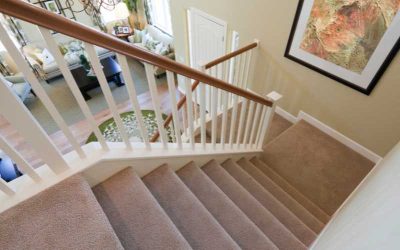
Many period homes across Melbourne were built well before the 125mm rule existed. Victorian, Edwardian, and Californian Bungalow-style homes often feature original timber or wrought iron balustrades with much wider gaps than current standards allow.
These balustrades can be structurally sound and visually beautiful while still failing modern safety requirements. Age and craftsmanship don’t guarantee compliance.
Do You Need to Upgrade an Older Balustrade?
Victorian building regulations generally apply new compliance standards at the point of renovation, not automatically to existing homes. However, if you’re renovating your staircase, adding a balcony, or selling your property, your balustrade may need to meet current standards as part of that work.
Even outside of a renovation, upgrading a non-compliant balustrade is strongly recommended wherever children or pets are in the home.

How to Check If Your Balustrade Is Safe
You don’t need professional tools to get a rough sense of whether your balustrade might be non-compliant. Use this checklist as a starting point:
- Measure the gap between balusters at the widest point
- Check gaps near the base, midpoint, and top of the staircase, since spacing can vary
- Look for horizontal rails or decorative elements that create a climbable surface
- Test whether a rough 125mm object (like a soft drink can, which measures close to this) can pass through
- Check balconies and landings, not just the staircase itself
If you’re unsure or the balustrade is close to the limit, a professional inspection gives you a precise, reliable answer.
Fixing a Non-Compliant Balustrade – Your Options
If your balustrade doesn’t meet current standards, you generally have two paths forward: retrofitting or full replacement.
Retrofitting can work well for balustrades that are structurally sound but have gaps that are too wide. This might involve adding infill panels, mesh, or additional balusters to reduce gap size without replacing the entire structure.
Full replacement is often the better option for older or heritage balustrades, especially when the existing structure can’t easily accommodate infill solutions. It also gives you the opportunity to update the style of your staircase at the same time.
Material choice affects both compliance and appearance:
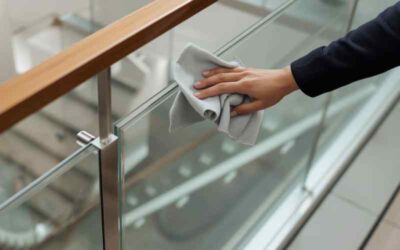
- Glass balustrades offer clear sightlines and are easy to keep fully compliant with no climbable elements
- Timber balustrades suit period and heritage homes and can be spaced precisely to meet current standards
- Wrought iron balustrades offer a traditional look but need careful spacing design to avoid both gap and climbability issues
Why Trust Ascend Stairs With Your Balustrade Safety Check
Balustrade compliance isn’t something you should have to guess about. At Ascend Stairs, we assess gap size, structural integrity, and climbability as standard practice on every renovation and inspection across Victoria.
As staircase manufacturers, we work across a wide range of Melbourne homes, from new builds to period properties, and we know exactly where older balustrades tend to fall short of current standards. Whether you need a simple gap adjustment or a full balustrade replacement, we can guide you through the safest and most cost-effective option for your home.
Keep Your Stairs Safe for Everyone in the Home
Balustrade gaps aren’t just a technical compliance detail. They’re a real safety factor for the kids and pets who use your stairs every day. The 125mm rule exists because that small measurement makes a real difference between a close call and a serious accident.
If your home was built before current standards existed, or you’ve never had your balustrade checked, it’s worth finding out where you stand. A quick inspection can tell you whether your balustrade needs a simple adjustment or a full replacement.
Ascend Stairs inspects and upgrades balustrades across Victoria every week, from period homes in Melbourne’s inner suburbs to new builds further out. We’ll give you a clear answer on your gap compliance and the safest, most practical way to fix it if needed.
Book a Balustrade Safety Assessment With Ascend Stairs
Get in touch with Ascend Stairs today for a balustrade safety assessment, and give your family and pets a staircase you can trust.
Get a Free Quote