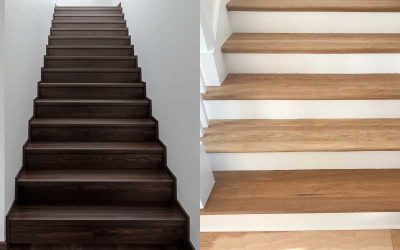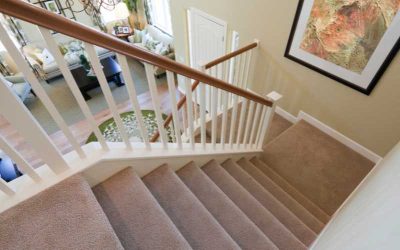
Timber stairs are easier to keep clean long-term than carpeted stairs. A quick sweep or damp mop removes surface dirt in minutes, while carpet traps dust, dander, and moisture deep in its fibres where a vacuum can’t reach.
That difference only grows over time. Carpet needs regular professional deep cleaning to stay hygienic, and even then, allergens and odours build up in the underlay. Timber, by contrast, holds its condition with basic upkeep and the occasional resealing.
For Melbourne homeowners weighing up a staircase renovation, this isn’t just a cleaning preference. It’s a long-term cost and effort decision, and one that becomes clearer once you look past week one and out to year five or year ten.
Key Takeaways
- Timber stairs require less weekly effort than carpet — a sweep or damp mop, versus vacuuming that can’t fully remove trapped dust and allergens.
- Carpeted stairs need professional deep cleaning every 6–12 months to stay hygienic; timber only needs resealing every few years.
- Melbourne’s humidity accelerates mould risk in carpet underlay, while sealed timber resists moisture damage.
- Timber stairs show surface dust more visibly, but it’s far easier to remove than dust and allergens compacted into carpet fibres.
- Over a 10-year period, timber stairs typically cost less to maintain and outlast carpet, which usually needs replacing at least once in that time.
Which Is Actually Easier to Clean, Timber or Carpet Stairs?
Timber stairs are easier to clean than carpeted stairs, in almost every practical sense. A quick sweep or damp mop removes dust and debris completely, because there’s nowhere for it to hide.
Carpet works differently. Vacuuming only removes surface-level dirt. Anything pushed deeper into the pile by foot traffic stays there until a professional deep clean.
The answer does depend on what “easier” means to you. If you mean daily effort, timber wins clearly. If you mean softness underfoot or noise reduction, carpet has its advantages, but those aren’t cleaning advantages.
What Does Weekly Cleaning Actually Look Like for Each?
Cleaning Timber Stairs Week to Week
Cleaning timber stairs weekly takes a few minutes. A dry sweep or vacuum with a hard-floor attachment, followed by a damp mop if needed, removes dust and marks completely.
Cleaning Carpeted Stairs Week to Week
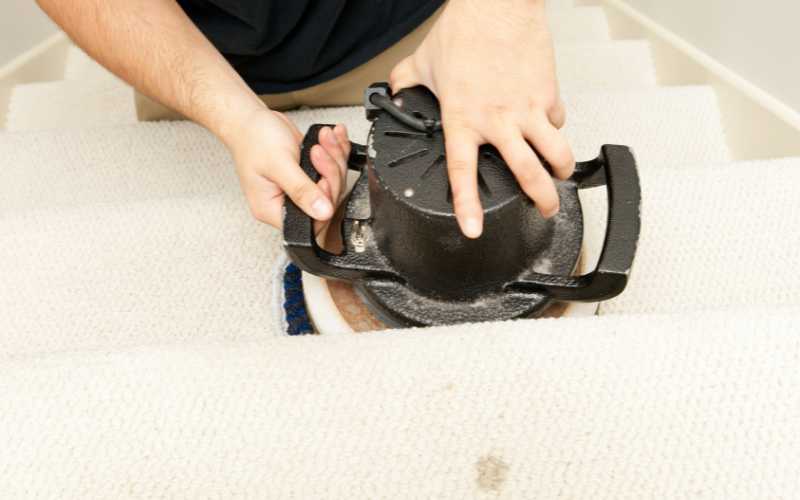
Cleaning carpeted stairs weekly takes longer and achieves less. Vacuuming every step, tread, and riser edge is time-consuming, and standard vacuum heads can’t reach embedded dirt in the pile.
Time and Tools Compared
Timber cleaning is largely a “wipe and done” task. Carpet cleaning is more of a “reduce, not remove” task, surface debris comes up, but what’s compacted into the fibres stays behind.
How Often Do Timber and Carpet Stairs Need a Deep Clean?
Deep Cleaning Schedule for Carpet
Carpeted stairs need professional steam or dry cleaning roughly every 6–12 months to manage embedded dirt, allergens, and odour.
Deep Cleaning Schedule for Timber
Timber stairs only need a deep clean and reseal every 3–5 years, depending on foot traffic. Resealing isn’t just cleaning. It also protects the surface from scratches and moisture, extending the life of the stairs themselves. Most reputable staircases manufacturers build this reseal cycle into their maintenance guidance, rather than leaving homeowners to guess when it’s needed.
Professional Cleaning Costs Compared
Professional carpet cleaning for a staircase typically costs more per visit than timber reseal costs per multi-year cycle, once you account for how often each service is actually needed. Over a decade, that means spending significantly more on carpet maintenance than on timber maintenance.
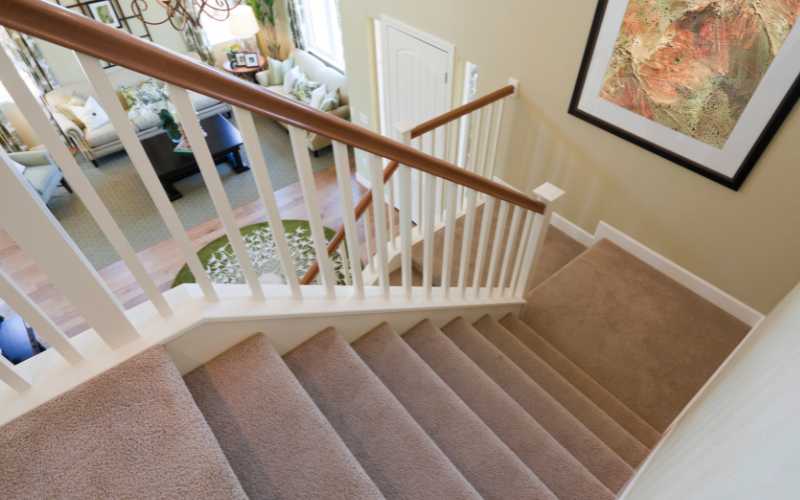
How Do Timber and Carpet Stairs Hold Up After 1, 5, and 10 Years?
| Timeframe | Timber Stairs | Carpeted Stairs |
|---|---|---|
| 1 year | Minor surface dust, no wear visible | Pile starting to flatten on high-traffic treads |
| 5 years | Light scuffing, benefits from a reseal | Noticeable wear, staining, possible odour buildup |
| 10 years | Still structurally sound, may need a refinish | Typically needs full replacement |
The table shows the core long-term difference. Timber ages gradually and predictably. The carpet on the stairs wears unevenly because the nosing, which is the front edge of each tread, takes the brunt of every footstep and breaks down faster than the rest of the pile.
In the renovations we’ve completed across Melbourne and regional Victoria, worn carpet on the first three or four treads from the top and bottom is one of the most common issues we find. It’s a pattern our staircase builders in Daylesford recognise as soon as we point it out, long before the rest of the staircase carpet shows visible wear.
What Does Melbourne’s Climate Mean for Long-Term Cleaning Effort?
How Humidity Affects Carpet Maintenance
Melbourne’s humidity makes carpet maintenance harder, because moisture gets trapped in the underlay and takes longer to dry. During humid months, carpeted stairs need more frequent airing and cleaning to prevent mould from developing in the underlay.
How Humidity Affects Timber Maintenance
Timber, once properly sealed, resists this kind of moisture damage. It needs little seasonal adjustment beyond normal sweeping and the occasional check of the sealant.
Seasonal Cleaning Adjustments for Melbourne Homes
This is one of the clearest long-term cleaning differences between the two materials in a climate like Melbourne’s, where humidity swings from day to day. It’s also a common talking point when staircase builders in Gisborne homeowners consult, raising concerns about their region’s cooler, damper conditions compared to inner Melbourne.
Do Timber Stairs Show Dust More Than Carpet?
Why Timber Shows Surface Dust
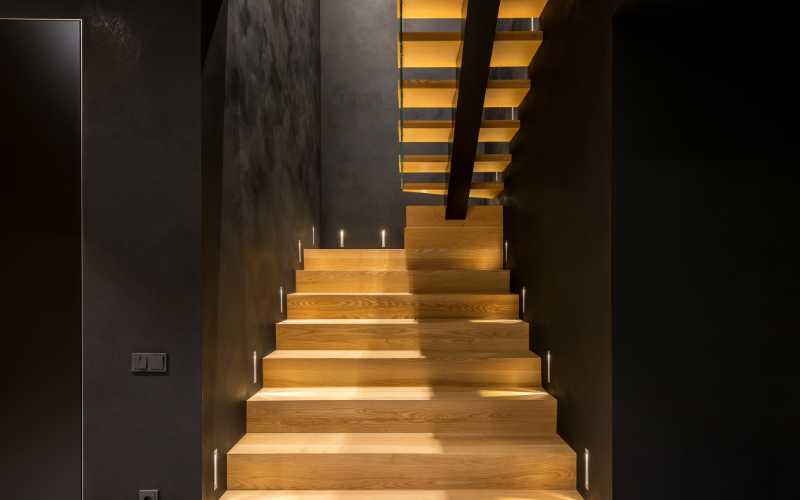
Yes, timber stairs show surface dust more visibly than carpet does. Dust settles on top of a hard surface where you can see it, rather than sinking into fibres.
Why That’s Still Easier to Manage Than Trapped Dust
This is actually part of why timber is easier to maintain long-term. Visible dust is simple to wipe away in seconds, while dust hidden inside carpet pile isn’t visible at all, even though it’s still there and still affecting air quality.
What About Hygiene and Allergens?
Carpeted stairs trap more allergens over time than timber stairs, including dust mites, pet dander, and mould spores in humid conditions. Timber’s hard surface gives allergens nowhere to accumulate.
Where to Read More
We’ve covered the topic in detail in What Lives In Carpeted Stairs (And Why Families Are Switching), including what’s actually found in old stair carpet during renovations.
So Which Is Actually Easier to Maintain Long-Term?
For Busy Families
Timber’s low weekly effort is the biggest win, saving time on every clean without sacrificing results.
For Allergy-Conscious Households
Timber’s lack of trapped allergens is the biggest win, since there’s no pile for dust mites or mould to colonise.
For Heritage or High-Value Homes
Timber’s durability and resale appeal make it the stronger long-term investment, particularly in period homes where timber detailing is already part of the character.
So, Timber or Carpet – Which Wins Long-Term?
Timber stairs perform better than carpet on almost every measure that matters over time: less weekly effort, fewer deep cleans, lower total cost, and better resistance to Melbourne’s humidity. Carpet may feel softer underfoot, but that comfort comes with a maintenance burden that only grows the longer it stays on your stairs.
If your stair carpet is due for a rethink, Ascend Stairs can help you make the switch properly. We handle everything from removing old carpet and underlay to supplying and installing timber, vinyl, or hybrid treads, all finished to Australian building code standards.
Get in touch with Ascend Stairs for an obligation-free consultation. We’ll assess your existing stairs and recommend the right long-term solution for your home, your family, and your budget.